
Industrial Fortitude: Dissecting 2026's High-Spec Rugged Laptops
The operational landscape of 2026 demands computing solutions that transcend typical office environments. From the unforgiving conditions of a remote oil rig to the precision-driven automation of a smart factory floor, standard laptops simply cannot endure. This is where high-specification rugged laptops carve out their essential niche, offering not just resilience but also the processing power required for advanced enterprise applications and on-site AI inference.
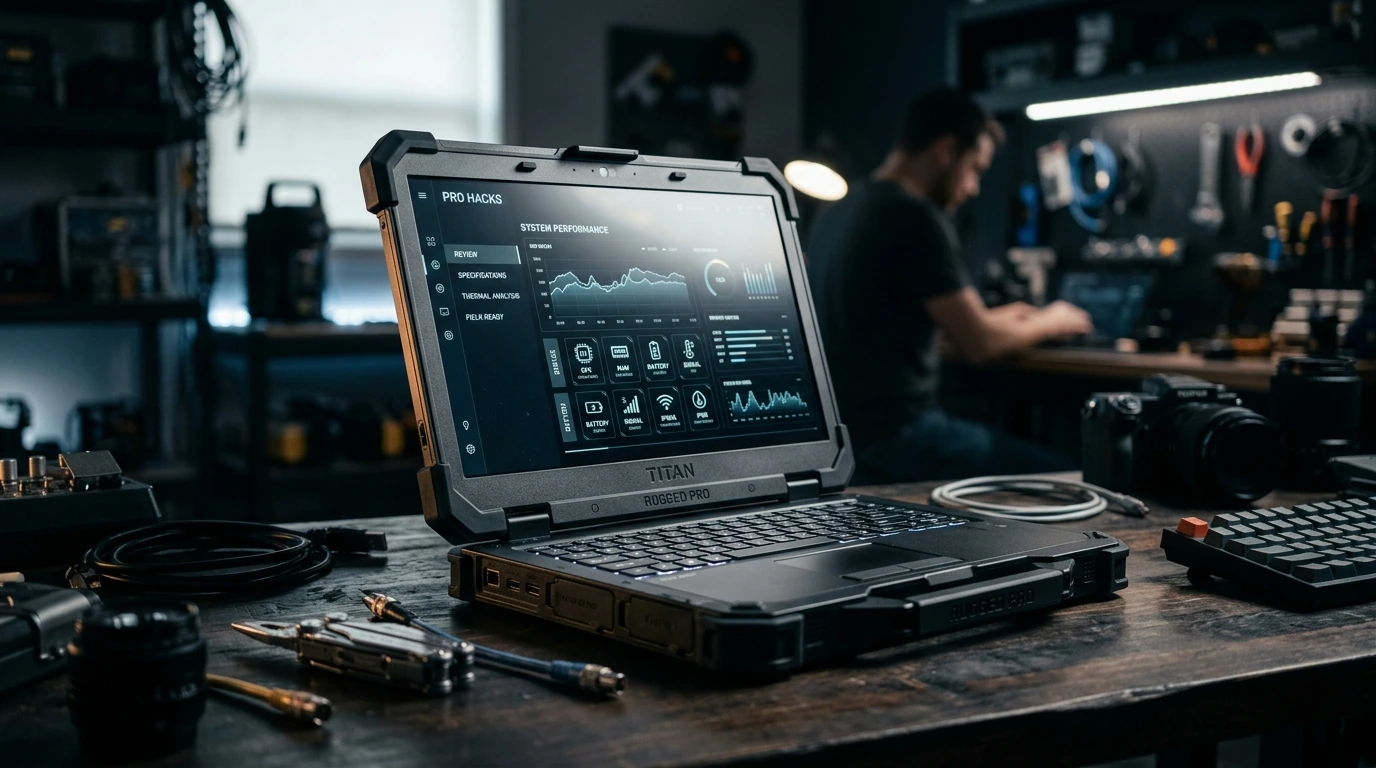
Quick Verdict: Unyielding Power for Extreme Demands
The latest generation of high-spec rugged laptops for 2026 represents a significant leap in combining extreme durability with formidable computational capabilities. These machines are engineered from the ground up to withstand drops, vibrations, extreme temperatures, and ingress from dust and water, all while housing powerful processors, ample RAM, and dedicated GPUs suitable for complex data analysis, real-time diagnostics, and even localized AI model execution. Their core strength lies in providing uninterrupted performance and data integrity where conventional hardware would fail, making them indispensable tools for field services, public safety, military, and heavy industrial sectors.
Robust Construction and Core Specifications
Examining the structural integrity of a modern rugged laptop reveals a commitment to enduring the harshest conditions. Manufacturers typically employ magnesium alloy chassis, reinforced corners, and sealed ports to achieve ingress protection (IP) ratings, often IP65 or higher, indicating complete protection against dust and resistance to water jets. Compliance with MIL-STD-810H standards is common, signifying resistance to shocks, vibrations, humidity, altitude, and extreme temperatures, verified through standardized testing protocols. Displays are frequently sunlight-readable, featuring high brightness (1000 nits or more) and glove-friendly touchscreens, often protected by chemically strengthened glass.
Underneath this hardened exterior, the internal specifications are equally impressive. Many models are now integrating Intel Core Ultra or AMD Ryzen PRO processors, up to 64GB of DDR5 RAM, and NVMe SSDs with capacities reaching 2TB or more. For tasks requiring graphical acceleration, options for integrated Intel Arc or AMD Radeon graphics, and even discrete NVIDIA RTX Ada Generation GPUs, are increasingly available, catering to CAD applications, advanced mapping, and edge AI workloads.
Operational Agility in Demanding Environments
In practical deployment, the utility of these rugged laptops extends far beyond mere survival. Their high-brightness displays ensure readability under direct sunlight, critical for outdoor field work. Glove-friendly touchscreens and physical buttons provide essential usability for operators wearing personal protective equipment. The long-lasting, hot-swappable battery options are a significant advantage, allowing for extended shifts without power interruption, a common scenario in remote operations. Advanced connectivity, including Wi-Fi 7, 5G cellular, and dedicated GPS, ensures reliable communication and location services, even in areas with limited infrastructure. The integrated security features, such as TPM 2.0, self-encrypting drives, and biometric authentication, are vital for protecting sensitive enterprise data in potentially vulnerable environments.
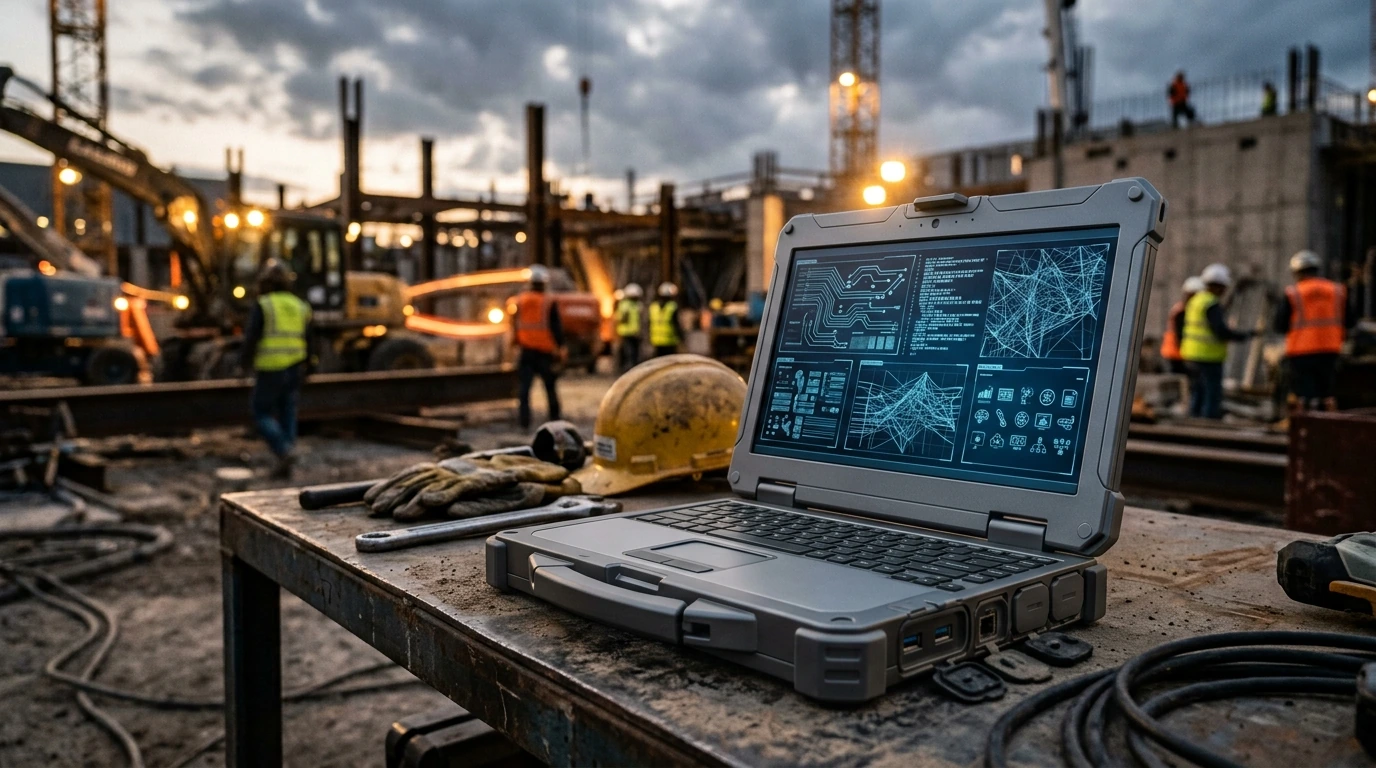
PRO TIP: When evaluating rugged laptops, always scrutinize the specific MIL-STD-810H tests performed and the exact IP rating. A higher number for IP (e.g., IP68 vs. IP65) indicates greater protection, while MIL-STD compliance should detail which specific environmental stresses (e.g., drop height, temperature range) were met, as not all tests are mandatory for compliance.
Comparative Overview: Leading Rugged Laptop Models (2026 Estimates)
To illustrate the range of capabilities, here's a look at how typical high-spec rugged laptops in 2026 might compare, based on current industry trends and anticipated advancements:
| Feature | Model Alpha (Heavy Duty) | Model Beta (Balanced) | Model Gamma (Compact) |
|---|---|---|---|
| Processor | Intel Core Ultra 9 285H | AMD Ryzen 7 PRO 8840U | Intel Core Ultra 7 265U |
| RAM (Max) | 64GB DDR5 | 32GB DDR5 | 16GB LPDDR5X |
| Storage (Max) | 4TB NVMe SSD | 2TB NVMe SSD | 1TB NVMe SSD |
| Display | 15.6" FHD (1200 nits) | 14" FHD (1000 nits) | 12" WUXGA (800 nits) |
| Graphics | NVIDIA RTX 5000 Ada | AMD Radeon 800M | Intel Arc Graphics |
| IP Rating | IP68 | IP66 | IP65 |
| MIL-STD | MIL-STD-810H, MIL-STD-461G | MIL-STD-810H | MIL-STD-810H |
| Weight (Approx.) | 4.5 kg | 2.8 kg | 1.8 kg |
Advantages and Considerations
Strengths:
- Extreme Durability: Designed to survive drops, shocks, vibrations, and environmental extremes far beyond consumer-grade laptops.
- Environmental Protection: High IP ratings guard against dust, dirt, and water ingress, crucial for outdoor or industrial settings.
- High Performance: Equipped with enterprise-grade processors, ample memory, and often discrete graphics for demanding applications.
- Enhanced Usability: Sunlight-readable displays, glove-friendly touchscreens, and hot-swappable batteries optimize field operations.
- Robust Connectivity: Integrated 5G, Wi-Fi 7, and advanced GPS ensure reliable communication and navigation.
Drawbacks:
- Higher Cost: The specialized engineering and components result in a significantly higher purchase price compared to standard laptops.
- Increased Weight and Bulk: The reinforced chassis and protective measures add considerable weight and thickness, impacting portability.
- Limited Aesthetics: Form factor prioritizes function over sleek design, which may not appeal to all users, though this is rarely a concern for their intended use.
- Specialized Repairs: Maintenance and part replacement can be more complex and may require authorized service centers.
Investment Analysis: Who Benefits Most?
The investment in a high-spec rugged laptop is justified for organizations and professionals whose operational success directly hinges on reliable computing in challenging environments. Sectors such as defense, emergency services, utilities, oil and gas, manufacturing, construction, and logistics will find these devices indispensable. For field engineers requiring powerful diagnostics at a remote site, or public safety officials needing secure, real-time data access in an emergency, the robust performance and unwavering reliability of these machines far outweigh the higher initial cost. They minimize downtime, protect valuable data, and ensure continuity of critical operations, effectively delivering a strong return on investment through enhanced productivity and reduced equipment failure rates.
Ultimately, if your computing needs involve exposure to elements, rough handling, or mission-critical tasks where failure is not an option, a high-specification rugged laptop from the 2026 lineup represents a strategic operational asset rather than just a purchase.


Post a Comment for "Industrial Fortitude: Dissecting 2026's High-Spec Rugged Laptops"