
Digital wallet security seems straightforward but requires constant vigilance against evolving threats
Securing digital wallets in 2026 is far more complex than simply setting a strong password; it demands a multi-layered, adaptive defense strategy against increasingly sophisticated cyber threats. As digital transactions become the norm, the attack surface for scams, hacks, and unauthorized activities expands, necessitating a proactive and informed approach to safeguarding your financial assets.

The Imperative of Proactive Digital Wallet Security
The digital wallet landscape is a dynamic environment where convenience often intersects with potential vulnerabilities. While the ease of contactless payments and instant transfers is undeniable, the underlying security frameworks are under constant assault. A robust defense isn't a luxury; it's a fundamental requirement for anyone managing funds digitally. The core strength of any digital wallet's security lies not just in the platform's native encryption but equally in the user's adherence to best practices and awareness of common attack vectors. This includes understanding the nuances of multi-factor authentication, recognizing phishing attempts, and maintaining software hygiene across all devices interacting with your funds.
Core Defenses and Technical Safeguards
Protecting your digital wallet effectively means implementing a suite of technical safeguards that work in concert. Manufacturers and service providers typically integrate several layers of protection, but user configuration is paramount:
- Strong, Unique Passwords: A foundational defense. Passwords should be complex, unique to each digital wallet service, and ideally managed by a reputable password manager.
- Multi-Factor Authentication (MFA): This is non-negotiable. Enabling MFA, whether via SMS codes, authenticator apps, or hardware tokens, adds a critical second or third layer of verification beyond just a password.
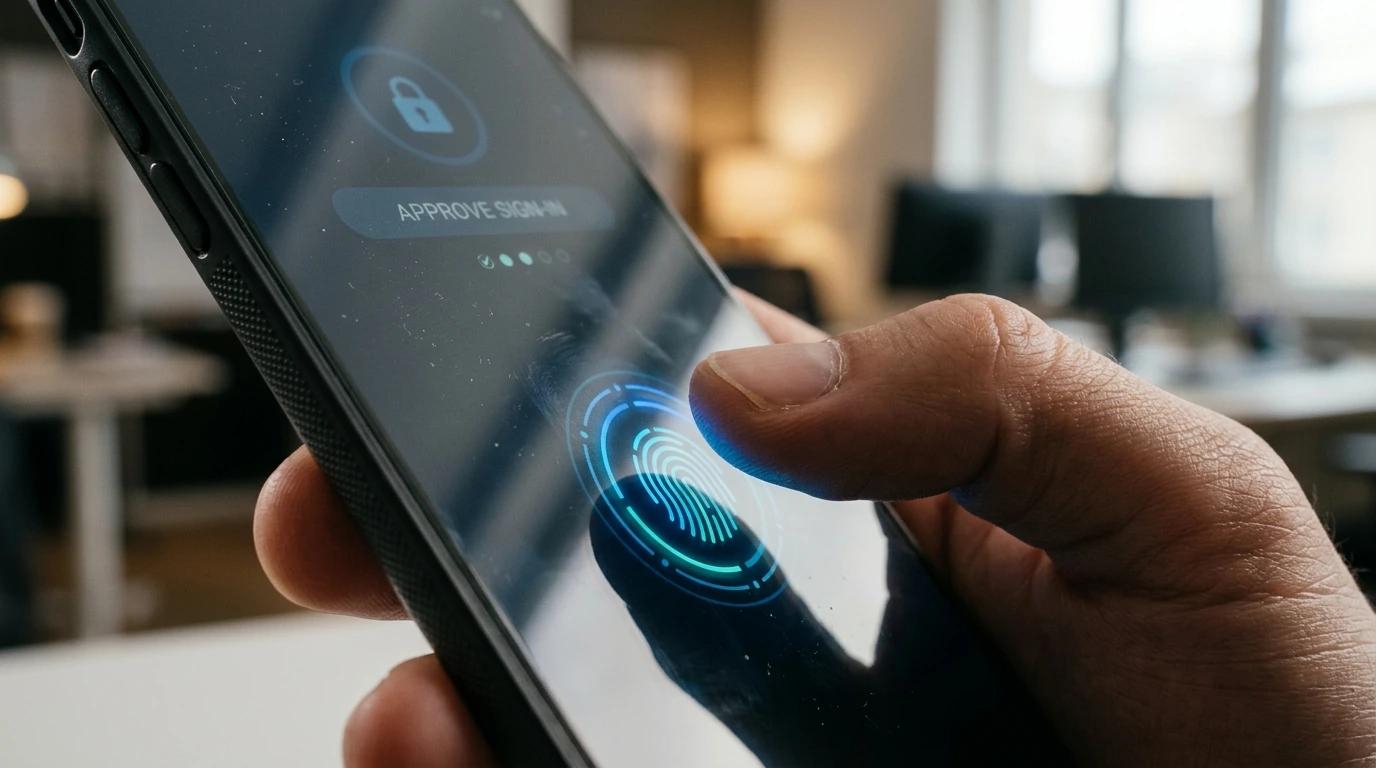
- Biometric Authentication: Where available, fingerprint or facial recognition offers a convenient yet powerful layer of security, tying access directly to your physical identity.
- Transaction Monitoring and Alerts: Most digital wallet services offer real-time notifications for transactions. Activating these allows for immediate detection of unauthorized activity.
- Secure Network Usage: Always access your digital wallet over secure, private networks. Public Wi-Fi networks can be compromised, making your data vulnerable to interception. A Virtual Private Network (VPN) can add a layer of encryption over public connections.
- Software Updates: Keeping your operating system, browser, and digital wallet applications updated is crucial. Updates frequently include security patches that address newly discovered vulnerabilities.
- Encryption Standards: While often handled by the service provider, understanding that your data is encrypted both in transit (e.g., TLS/SSL) and at rest (e.g., AES-256) provides confidence in the technical architecture.
Practical Application and Everyday Vigilance
Implementing technical safeguards is only half the battle; how these measures perform in daily use depends heavily on user awareness and consistent vigilance. Practical scenarios highlight the importance of:
- Recognizing Phishing and Social Engineering: Scammers often use convincing fake emails, texts, or calls to trick users into revealing credentials. Always verify the sender and the legitimacy of requests before clicking links or providing information.
- Malware and Spyware Protection: Regularly scan your devices for malicious software. Keyloggers, for instance, can capture your passwords as you type them.
- Secure Payment Gateways: When making online purchases, ensure the website uses HTTPS (indicated by a padlock icon in the browser address bar) and that you are on the legitimate vendor's site.
- Regular Transaction Review: Periodically review your digital wallet transaction history for any unfamiliar entries. Report suspicious activity immediately to your service provider.
- Device Security: Enable screen locks, remote wipe capabilities, and 'find my device' features for any device that accesses your digital wallet.

Balancing Convenience with Robust Protection
The inherent trade-off between convenience and security is a constant consideration for digital wallet users. A balanced assessment reveals both significant advantages and potential drawbacks:
Strengths:
- Enhanced Peace of Mind: Implementing robust security measures significantly reduces the anxiety associated with online financial transactions.
- Reduced Fraud Risk: MFA, strong passwords, and vigilant monitoring demonstrably lower the chances of unauthorized access and fraudulent charges.
- Faster Recovery: Proactive security measures, coupled with immediate reporting, can expedite the recovery of funds and account restoration in the event of a breach.
- Data Privacy: Adhering to secure practices helps protect your personal financial data from being compromised.
Considerations:
- Added Friction: MFA, while essential, can add a few extra seconds to the login process, which some users might perceive as inconvenient.
- Learning Curve: Understanding and implementing all recommended security practices requires a degree of technical literacy and ongoing education.
- Potential for User Error: Even the most secure systems can be undermined by human error, such as falling for a sophisticated phishing scam.
- Dependency on Service Provider Security: While user actions are critical, the overall security of your digital wallet is also contingent on the provider's infrastructure and incident response capabilities.
Strategic Investment in Your Financial Digital Fortification
For anyone engaging with digital financial services, protecting your digital wallet is a strategic imperative. It's not merely about preventing a single scam; it's about building a resilient defense against an evolving threat landscape. The investment in time and effort to implement strong security protocols, stay informed about new threats, and maintain consistent vigilance pays dividends in financial safety and peace of mind. Businesses and individuals alike should view digital wallet security as an ongoing commitment, adapting practices as technology and threats evolve. Prioritizing these safeguards means making a definitive choice for financial integrity in the digital age.


Post a Comment for "Digital wallet security seems straightforward but requires constant vigilance against evolving threats"