
The Essential Smartphone Guide for 2026: Top Picks Across All Budgets
Which smartphone will best serve your needs in 2026? The mobile technology landscape continues its rapid evolution, with manufacturers pushing boundaries in AI integration, camera performance, and sustainable design. This guide distills the current market to help you navigate the myriad options, ensuring you make an informed decision regardless of your budget.
Unpacking the 2026 Smartphone Landscape
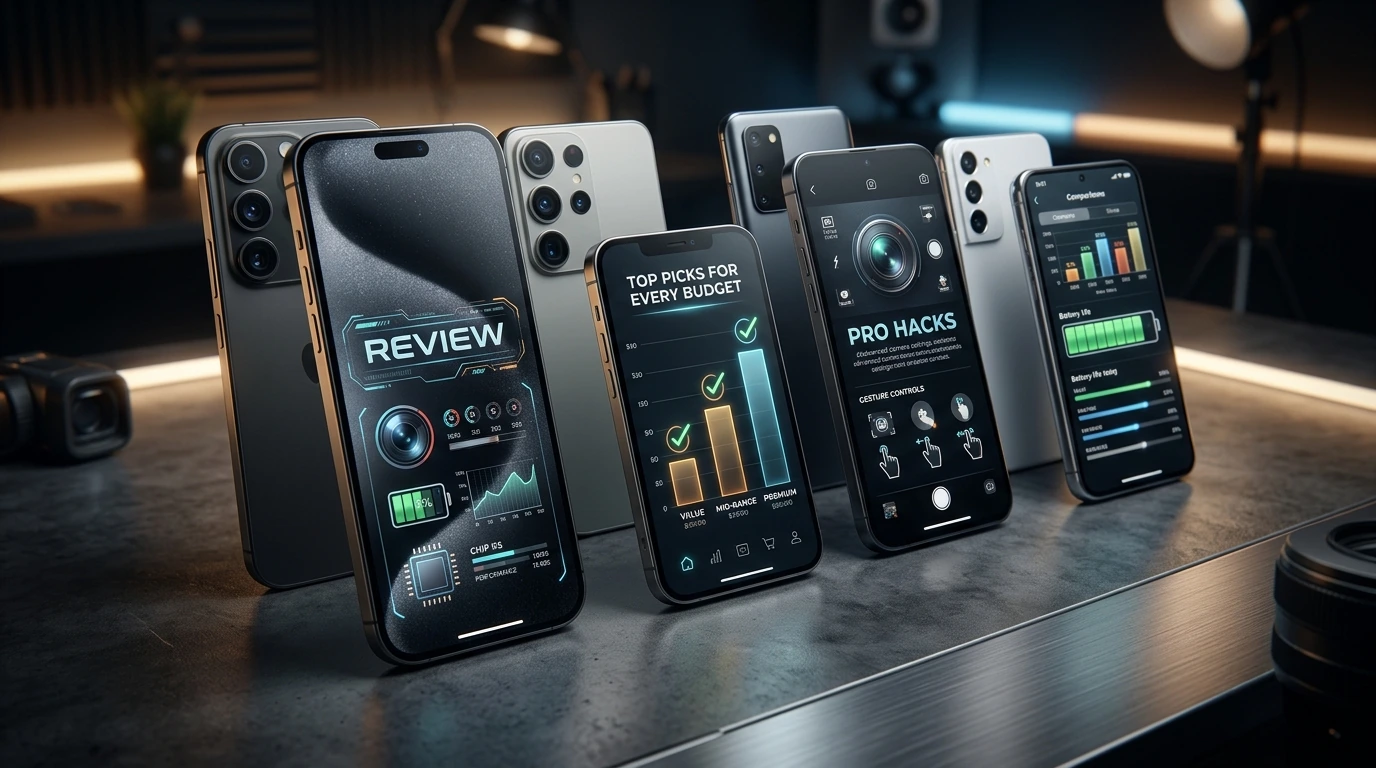
The year 2026 sees continued refinement in smartphone engineering, with a strong emphasis on computational power and user experience. Devices are increasingly built with advanced System-on-Chips (SoCs) that feature dedicated Neural Processing Units (NPUs), significantly enhancing on-device AI capabilities for everything from intelligent photo processing to predictive text and system optimization. Materials are also seeing innovation, with a growing trend towards recycled metals, bio-plastics, and more durable ceramic or reinforced glass finishes, aiming for both premium feel and environmental responsibility. Displays predominantly feature LTPO OLED technology, offering dynamic refresh rates up to 144Hz for fluid visuals while optimizing battery consumption by scaling down to 1Hz when static. Ergonomically, devices are trending towards thinner profiles with balanced weight distribution, even as battery capacities continue to grow, often exceeding 5000mAh in flagship models.
Engineering & Ergonomics: The Modern Handset
Modern smartphones in 2026 are a testament to refined industrial design and material science. Flagship models frequently incorporate aerospace-grade titanium or hardened aluminum frames, paired with advanced ceramic shields or the latest generation of Gorilla Glass for superior drop and scratch resistance. The IP68 rating for dust and water resistance has become a standard expectation across most mid-range and premium devices. Haptic feedback systems are more nuanced, providing subtle, precise vibrations that enhance the software experience. The trend towards bezel-less displays continues, often achieved through discreet punch-hole cameras or under-display camera technology that has matured significantly, offering an uninterrupted visual canvas. These design choices aim for both aesthetic appeal and practical durability, ensuring devices can withstand the rigors of daily use.
Real-World Performance: Beyond the Benchmarks
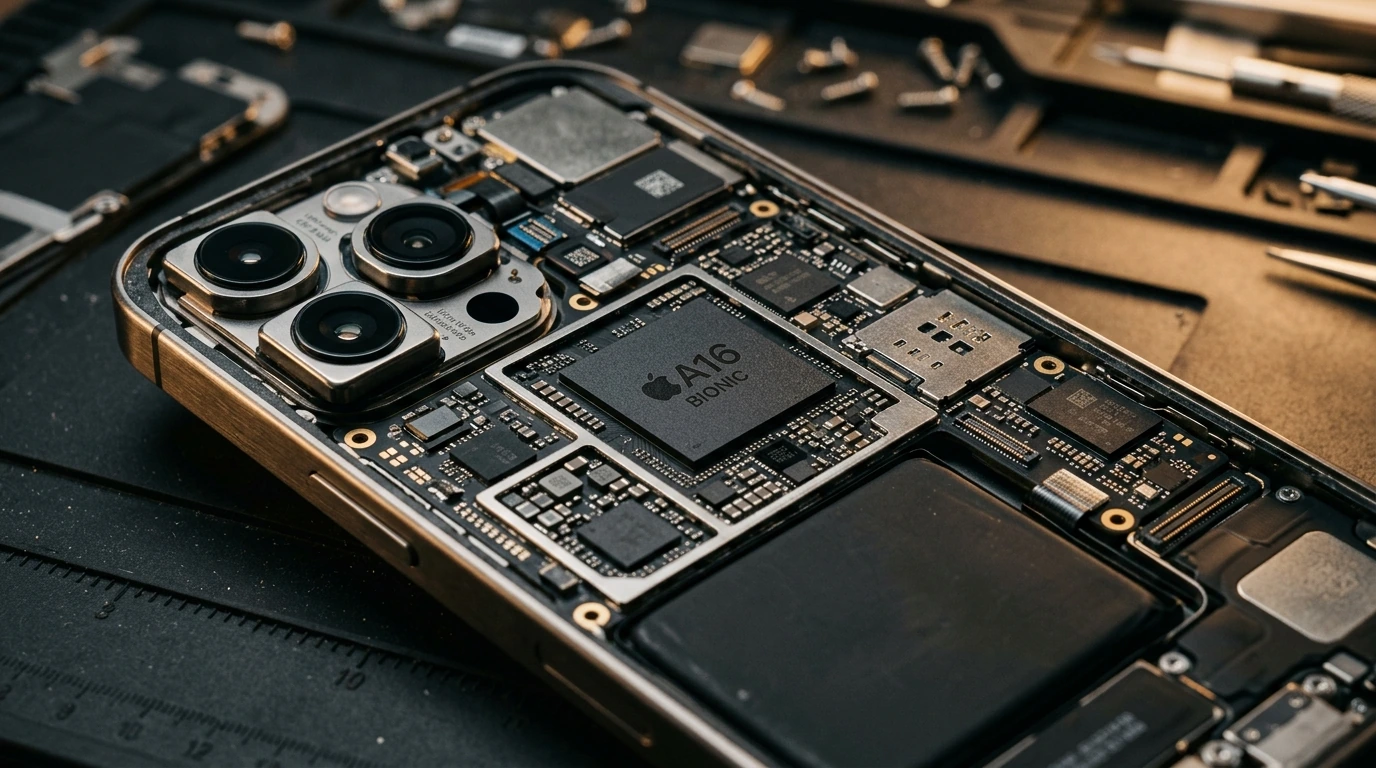
In practical application, 2026 smartphones deliver a consistently smooth and responsive experience. The integration of powerful NPUs means that AI-driven tasks, such as real-time language translation, advanced image recognition, and personalized content feeds, execute with remarkable speed and efficiency directly on the device. Camera systems, often featuring larger sensors and sophisticated computational photography algorithms, produce exceptional results in varied lighting conditions, capturing detail and dynamic range that rivals dedicated point-and-shoot cameras. Battery life has improved, with many devices easily lasting a full day of heavy use, supported by rapid charging technologies that can often replenish a significant percentage of battery in under 30 minutes. High-refresh-rate displays make scrolling and gaming incredibly fluid, while improved thermal management ensures sustained performance during demanding applications without excessive heat buildup.

Strengths & Considerations: A Balanced View
The current generation of smartphones brings numerous advantages, but also some trade-offs worth noting.
- Pros:
- Advanced AI Integration: On-device AI significantly enhances productivity, photography, and overall system efficiency.
- Exceptional Camera Systems: Larger sensors, computational photography, and advanced stabilization deliver professional-grade images and video.
- Stunning Displays: High-resolution LTPO OLED panels offer vibrant colors, deep blacks, and adaptive refresh rates for superior viewing.
- Robust Performance: Latest chipsets provide ample power for demanding apps, gaming, and multitasking.
- Improved Durability & Water Resistance: Premium materials and IP ratings offer better protection against daily wear and accidents.
- Cons:
- High Price Point: Flagship models continue to command premium prices, making them a significant investment.
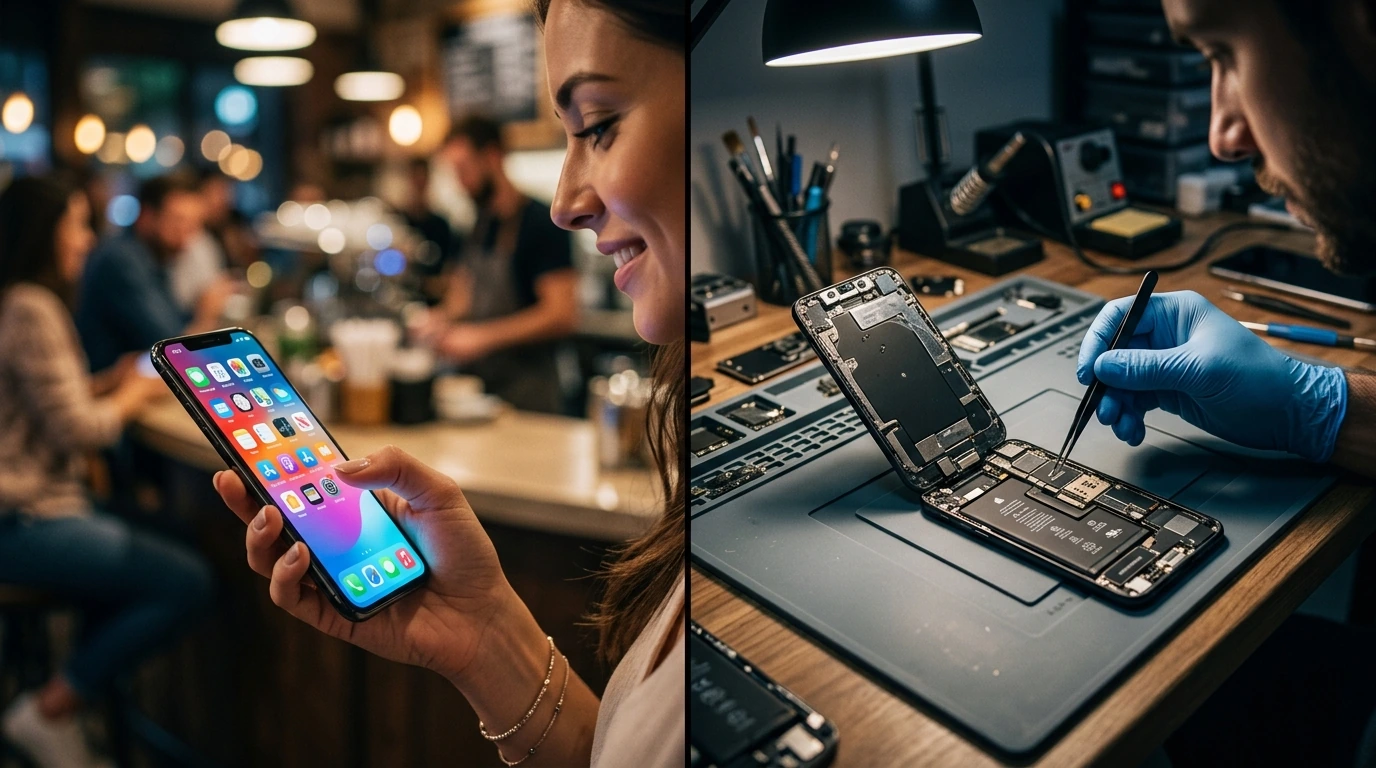
- Repairability Challenges: Complex designs and glued components can make user repairs difficult and costly.
- Software Bloat: Some manufacturers still pre-install non-removable apps, consuming storage and resources.
- Incremental Innovation: While impressive, year-over-year advancements can feel less revolutionary for casual users.
Finding Your Perfect Match: Value and Recommendations
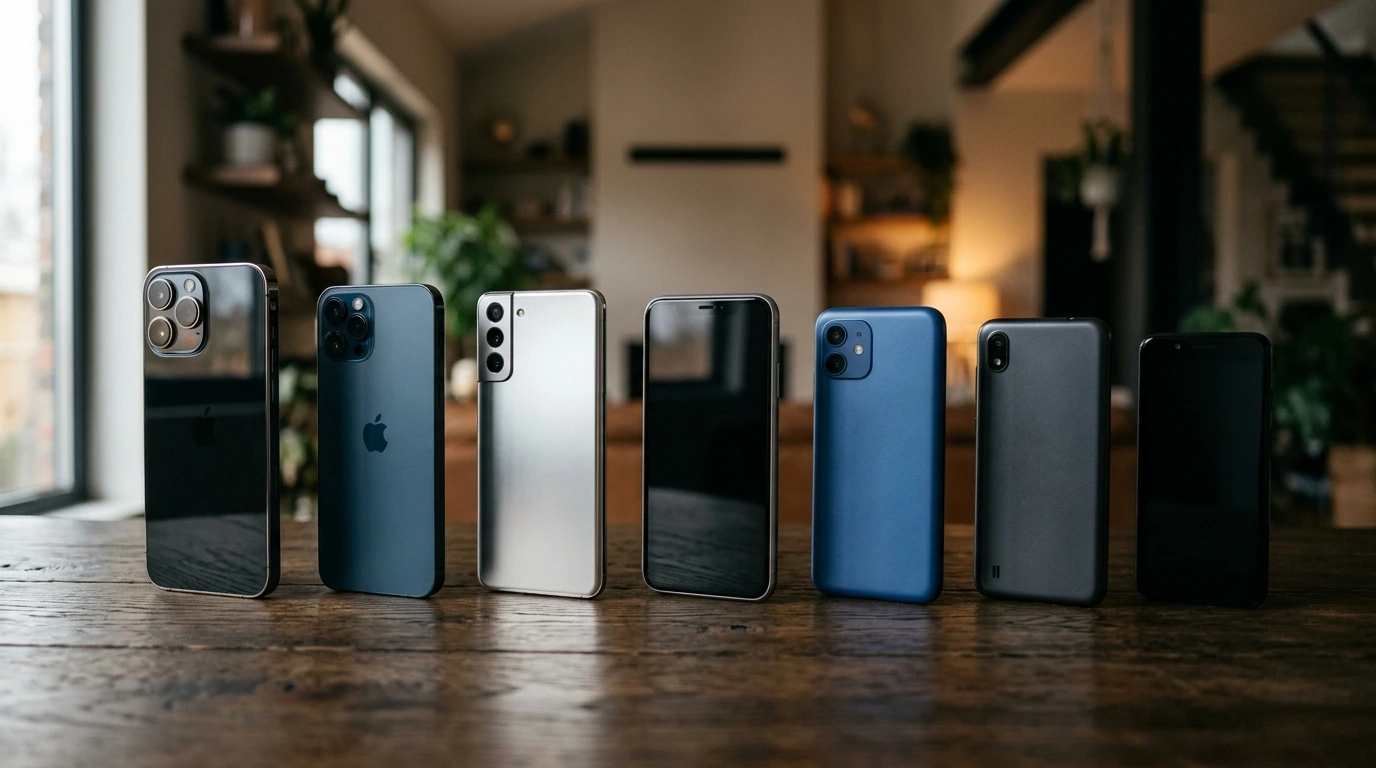
Choosing the right smartphone in 2026 depends heavily on your priorities and budget. Here’s a breakdown of what to consider:
Flagship Tier (e.g., ApexPro 2026 Archetype)
For users who demand the absolute best in every category—cutting-edge AI processing, top-tier camera performance, and premium build materials—a flagship device is the clear choice. These phones offer the most immersive display experiences, fastest charging, and often exclusive software features. They are ideal for power users, mobile photographers, and those who want their device to last for several years without compromise.
Mid-Range Tier (e.g., Harmony X Archetype)
The mid-range market offers exceptional value, often incorporating features that were flagship-exclusive just a year or two prior. These devices strike a superb balance between performance, camera quality, and price. They are perfect for most everyday users, casual gamers, and those who need a reliable, high-performing device without the top-tier cost.
Budget Tier (e.g., ValueStream Archetype)
For users seeking an affordable entry point into the smartphone ecosystem, budget options provide essential functionality and a solid user experience. While they may not boast the latest processors or most advanced cameras, they are perfectly capable for communication, social media, light browsing, and casual gaming. These phones are suitable for first-time smartphone owners, students, or those who prioritize cost-effectiveness.
PRO TIP:
Prioritize devices with a commitment to at least 5 years of major OS updates and security patches. This ensures longevity and protects your investment in a rapidly evolving ecosystem, enhancing both security and feature access over time.
Comparative Overview of Archetypal 2026 Smartphones
| Feature | ApexPro 2026 (Flagship) | Harmony X (Mid-Range) | ValueStream (Budget) |
|---|---|---|---|
| Processor | Ultra-AI Core 3nm | Mid-AI Octa-Core 5nm | Efficient Quad-Core 6nm |
| Display | 6.8" LTPO AMOLED 4.0 | 6.6" OLED 120Hz | 6.5" AMOLED 90Hz |
| Main Camera Sensor | 1-inch, 50MP OIS | 1/1.5", 64MP OIS | 1/2", 48MP |
| Battery & Charge | 5000mAh, 150W Wired | 4800mAh, 80W Wired | 4500mAh, 30W Wired |
| Build Material | Titanium, Ceramic Glass | Aluminum, Gorilla Glass | Polycarbonate, Glass |
| Expected Price | $999 - $1299 | $499 - $699 | $199 - $349 |
Demystifying Artificial Intelligence: A Beginner's Guide to AI's Mechanics and Societal Significance →
Frequently Asked Questions About 2026 Smartphones
What are the most significant advancements in 2026 smartphones?
The most notable advancements include highly integrated AI processors (NPUs) for on-device intelligence, larger and more capable camera sensors with advanced computational photography, and further refinements in display technology, particularly LTPO OLEDs for adaptive refresh rates and improved power efficiency.
Is 5G still a critical feature for new smartphones in 2026?
Yes, 5G connectivity is now standard across virtually all new smartphones, from budget to flagship. Its widespread availability and improved speeds make it an essential feature for future-proofing your device and accessing faster mobile data networks.
How long should I expect a new smartphone to last?
With proper care and consistent software updates, a well-built smartphone from 2026 can reliably last 3-5 years. Flagship models, with their more robust components and longer software support commitments, tend to have a longer usable lifespan.
Are foldable phones a viable option in 2026?
Foldable phone technology has matured considerably by 2026, offering improved durability, thinner designs, and more refined software experiences. While still typically at a premium price point, they are a more viable and appealing option for those seeking innovative form factors and enhanced screen real estate.
Post a Comment for "The Essential Smartphone Guide for 2026: Top Picks Across All Budgets"