
Elevating Enterprise Productivity: An In-Depth Look at High-Spec Laptops and Flexible Financing Strategies
How do global enterprises navigate the increasingly complex landscape of high-performance mobile computing in 2026, especially when balancing cutting-edge capabilities with fiscal prudence? Identifying the right high-spec enterprise laptop involves more than just raw power; it demands a holistic understanding of its role in productivity, security, and long-term value, often underpinned by strategic financing.
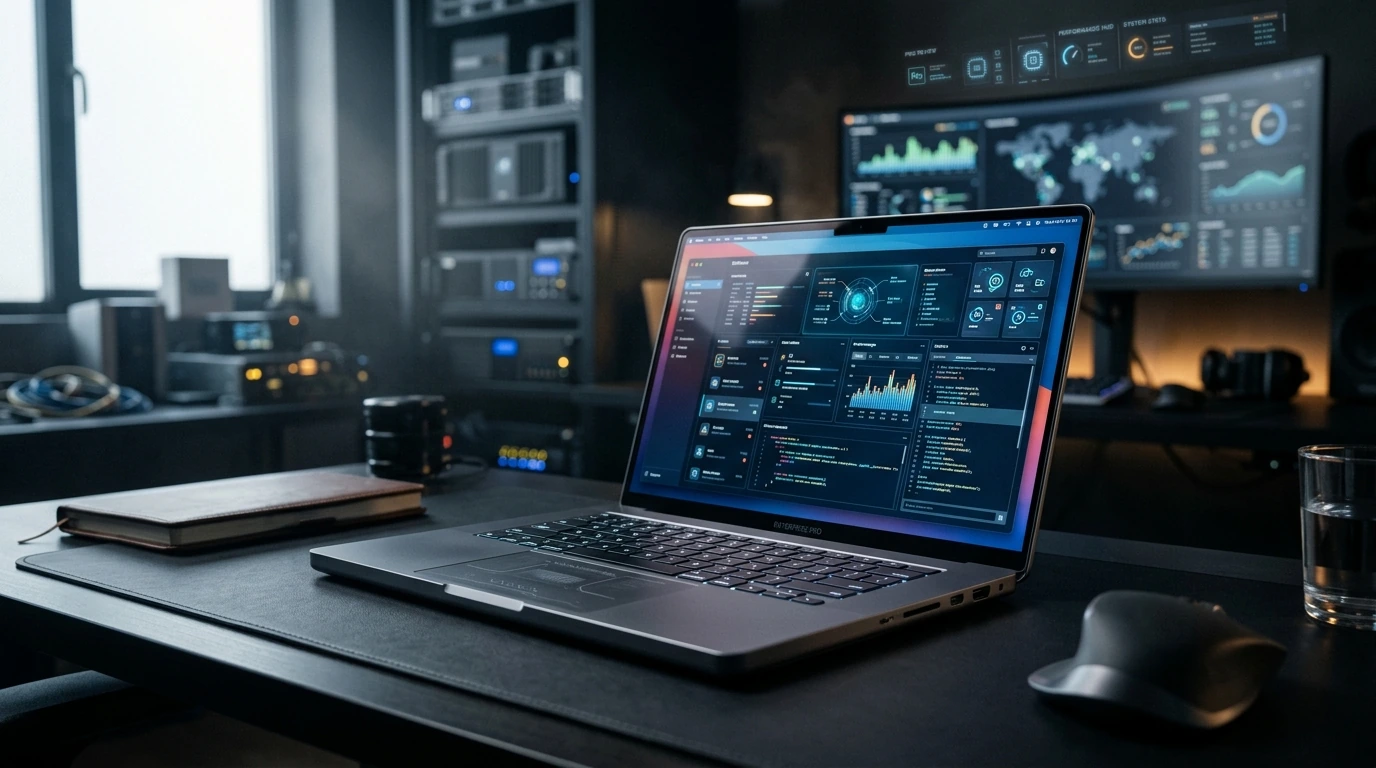
Quick Verdict: The Mobile Workstation Imperative
The modern high-spec enterprise laptop represents a critical investment for organizations seeking to empower their workforce with uncompromising performance, robust security, and exceptional reliability. These machines are engineered to handle intensive workloads, from complex data analytics and advanced simulations to demanding creative applications and multi-tasking across numerous virtualized environments. Their core strengths lie in powerful processors, ample RAM, fast storage, and enterprise-grade security features, making them indispensable tools for professionals who cannot afford performance bottlenecks or security vulnerabilities.
Engineering Excellence: Design and Core Components
Enterprise-grade laptops in this category typically feature premium materials like CNC-machined aluminum or magnesium alloy, offering a balance of durability and portability. Manufacturers prioritize MIL-STD-810H certifications for resistance to drops, vibrations, and extreme temperatures, reflecting their intended use in diverse operational environments. Key specifications often include:
- Processors: Intel Core Ultra series (e.g., Core Ultra 9) or AMD Ryzen Threadripper PRO mobile processors, featuring high core counts and integrated NPUs for AI acceleration.
- Memory: 32GB to 128GB of LPDDR5X or DDR5 RAM, optimized for high-bandwidth applications.
- Storage: 1TB to 8TB NVMe PCIe Gen 5 SSDs, often configurable in RAID arrays for enhanced performance or redundancy.
- Graphics: Dedicated professional GPUs such as NVIDIA RTX Ada Generation Laptop GPUs or AMD Radeon PRO W7000M series, crucial for CAD, video editing, and machine learning tasks.
- Display: 15-inch to 17-inch panels, often with OLED or IPS technologies, featuring 4K or higher resolutions, professional color accuracy (e.g., 100% DCI-P3), and sometimes touch or pen input.
- Connectivity: Thunderbolt 5 or USB4 ports, Wi-Fi 7 (802.11be), Bluetooth 5.4, and optional 5G WWAN for ubiquitous connectivity.
- Security: Hardware-level encryption (TPM 2.0), biometric authentication (fingerprint readers, IR cameras), and advanced endpoint management capabilities.
Ergonomics are also a significant consideration, with full-sized keyboards offering comfortable key travel, precision touchpads, and often robust cooling systems designed to sustain peak performance without excessive thermal throttling.
Real-World Agility: Performance Under Load
In practical scenarios, these high-spec enterprise laptops exhibit remarkable agility. For a data scientist, a machine with a Core Ultra 9 processor and 64GB of RAM can execute complex Python scripts and large dataset manipulations in a fraction of the time compared to a standard business laptop. Engineers leveraging CAD software will find rendering times significantly reduced thanks to powerful dedicated GPUs, allowing for faster design iterations. The robust cooling systems are generally effective at preventing performance degradation during prolonged periods of heavy computation, a common challenge for less capable mobile workstations.
Multitasking is seamless; running multiple virtual machines, a demanding IDE, a suite of communication tools, and a web browser with dozens of tabs open typically results in no noticeable slowdown. Battery life, while not their primary focus, is often optimized to provide a full workday's power under typical enterprise use, ranging from 8 to 12 hours, depending on configuration and workload intensity. Fast charging capabilities are also a common and welcome feature.
Pros and Cons Breakdown
Advantages for Enterprise Deployment:
- Unmatched Performance: Handles the most demanding professional applications with ease.
- Robust Security Features: Hardware-level protection and advanced management options.
- Exceptional Durability: Built to withstand rigorous daily use and varied environments.
- Advanced Connectivity: Future-proof ports and wireless standards ensure seamless integration.
- Long-Term Reliability: Designed for extended operational lifespans, reducing total cost of ownership.
Considerations and Trade-offs:
- Premium Cost: The initial investment is significantly higher than for standard business laptops.
- Weight and Portability: While optimized, these machines are generally heavier and bulkier than ultrabooks.
- Battery Life Under Load: Intensive tasks will drain the battery faster, requiring access to power.
- Heat Management: Despite advanced cooling, heavy workloads can still generate considerable heat.
PRO TIP: When evaluating financing options, always scrutinize the Total Cost of Ownership (TCO) over the planned lifecycle. Look beyond the sticker price to include deployment, maintenance, and end-of-life costs. A lower interest rate on a loan might seem appealing, but a flexible lease with refresh cycles can offer better TCO for rapidly evolving tech needs.
Strategic Acquisition: ROI and Financing Pathways
For high-spec enterprise laptops, the purchasing decision extends beyond technical specifications to strategic financial planning. Organizations must weigh the benefits of outright purchase versus various financing models, especially with an eye on low-interest options in 2026. Return on Investment (ROI) is primarily driven by enhanced productivity, reduced downtime, and the ability to undertake more complex projects in-house.
When considering financing:
- Vendor Financing Programs: Major manufacturers often offer their own financing solutions, which can include competitive interest rates, lease-to-own options, or technology refresh programs. These are typically tailored for enterprise clients.
- Third-Party Leasing: Operating leases or capital leases from specialized IT financing companies can provide significant flexibility. Operating leases allow organizations to expense payments and avoid asset depreciation on their balance sheets, while capital leases function more like a loan, leading to ownership at the end of the term.
- Bank Loans/Lines of Credit: Traditional financial institutions can offer low-interest loans or lines of credit, particularly for established businesses with strong credit profiles. These provide direct ownership but require managing the asset's depreciation and disposal.
- Subscription Models (Device as a Service - DaaS): A growing trend, DaaS bundles hardware, software, and services into a single monthly fee. While not strictly a low-interest loan, it offers predictable costs and simplifies IT management, effectively spreading the cost over time.
Organizations with a clear technology refresh cycle (e.g., every 3 years) often find leasing more advantageous, as it avoids the burden of resale or disposal of depreciated assets. For those requiring long-term ownership and customization, a low-interest loan or outright purchase might be preferred. The key is to align the financing strategy with the organization's capital expenditure policies, operational budget, and technology lifecycle management goals.
Who Should Buy?
These high-spec enterprise laptops are ideal for:
- Engineers and Architects: Running CAD, simulation, and complex design software.
- Data Scientists and Analysts: Processing large datasets, machine learning model training, and advanced analytics.
- Video Editors and 3D Artists: Demanding content creation and rendering workflows.
- Software Developers: Compiling large codebases, running multiple virtual environments, and containerized applications.
- Executives and C-Suite: Requiring top-tier performance, security, and reliability for critical decision-making and presentations.
Ultimately, investing in these powerful machines, especially through smart, low-interest financing, positions an enterprise for sustained productivity, innovation, and competitive advantage in the dynamic digital landscape of 2026 and beyond.


Post a Comment for "Elevating Enterprise Productivity: An In-Depth Look at High-Spec Laptops and Flexible Financing Strategies"